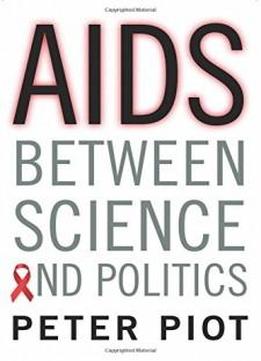
Aids Between Science And Politics
by Peter Piot /
2015 / English / EPUB
941.5 KB Download
Peter Piot, founding executive director of the Joint United
Nations Programme on HIV/AIDS (UNAIDS), recounts his experience
as a clinician, scientist, and activist fighting the disease from
its earliest manifestation to today. The AIDS pandemic was not
only catastrophic to the health of millions worldwide but also
fractured international relations, global access to new
technologies, and public health policies in nations across the
globe. As he struggled to get ahead of the disease, Piot found
science does little good when it operates independently of
politics and economics, and politics is worthless if it rejects
scientific evidence and respect for human rights.
Peter Piot, founding executive director of the Joint United
Nations Programme on HIV/AIDS (UNAIDS), recounts his experience
as a clinician, scientist, and activist fighting the disease from
its earliest manifestation to today. The AIDS pandemic was not
only catastrophic to the health of millions worldwide but also
fractured international relations, global access to new
technologies, and public health policies in nations across the
globe. As he struggled to get ahead of the disease, Piot found
science does little good when it operates independently of
politics and economics, and politics is worthless if it rejects
scientific evidence and respect for human rights.
Piot describes how the epidemic altered global attitudes toward
sexuality, the character of the doctor-patient relationship, the
influence of civil society in international relations, and
traditional partisan divides. AIDS thrust health into national
and international politics where, he argues, it rightly belongs.
The global reaction to AIDS over the past decade is the positive
result of this partnership, showing what can be achieved when
science, politics, and policy converge on the ground. Yet it
remains a fragile achievement, and Piot warns against complacency
and the consequences of reduced investments. He refuses to accept
a world in which high levels of HIV infection are the norm.
Instead, he explains how to continue to reduce the incidence of
the disease to minute levels through both prevention and
treatment, until a vaccine is discovered.
Piot describes how the epidemic altered global attitudes toward
sexuality, the character of the doctor-patient relationship, the
influence of civil society in international relations, and
traditional partisan divides. AIDS thrust health into national
and international politics where, he argues, it rightly belongs.
The global reaction to AIDS over the past decade is the positive
result of this partnership, showing what can be achieved when
science, politics, and policy converge on the ground. Yet it
remains a fragile achievement, and Piot warns against complacency
and the consequences of reduced investments. He refuses to accept
a world in which high levels of HIV infection are the norm.
Instead, he explains how to continue to reduce the incidence of
the disease to minute levels through both prevention and
treatment, until a vaccine is discovered.