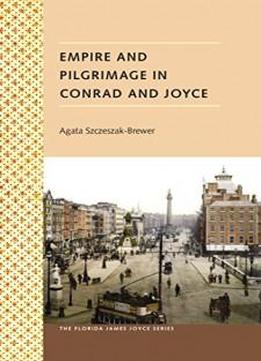
Empire And Pilgrimage In Conrad And Joyce (florida James Joyce)
by Agata Szczeszak-Brewer /
2017 / English / EPUB
1.1 MB Download
"Original and significant. This book shows us how Conrad and Joyce
manipulate representations of imperialist belief in the sacred to
indict Western culture for its racist colonization. This striking
reading of modernism emphasizes Conrad's and Joyce's use of chaos
in general and pilgrimage in particular in terms of mapmaking,
racial denigration, and strategies of power. Szczeszak-Brewer makes
spectacular connections between sacred language, nation building,
and literary representation."--Georgia Johnston, author of The
Formation of Twentieth-Century Queer Autobiography Though they were
born a generation apart, Joseph Conrad and James Joyce shared
similar life experiences and similar literary preoccupations. Both
left their home countries at a relatively young age and remained
lifelong expatriates.Empire and Pilgrimage in Conrad and Joyce
offers a fresh look at these two modernist writers, revealing how
their rejection of organized religion and the colonial presence in
their native countries allowed them to destabilize traditional
notions of power, colonialism, and individual freedom in their
texts. Throughout, Agata Szczeszak-Brewer ably demonstrates the
ways in which these authors grapple with the same issues--the grand
narrative, paralysis, hegemonic practices, the individual's
pilgrimage toward unencumbered self-definition--within the rigid
bounds of imperial ideologies and myths. The result is an engaging
and enlightening investigation of the writings of Conrad and Joyce
and of the larger literary movement to which they belonged.
"Original and significant. This book shows us how Conrad and Joyce
manipulate representations of imperialist belief in the sacred to
indict Western culture for its racist colonization. This striking
reading of modernism emphasizes Conrad's and Joyce's use of chaos
in general and pilgrimage in particular in terms of mapmaking,
racial denigration, and strategies of power. Szczeszak-Brewer makes
spectacular connections between sacred language, nation building,
and literary representation."--Georgia Johnston, author of The
Formation of Twentieth-Century Queer Autobiography Though they were
born a generation apart, Joseph Conrad and James Joyce shared
similar life experiences and similar literary preoccupations. Both
left their home countries at a relatively young age and remained
lifelong expatriates.Empire and Pilgrimage in Conrad and Joyce
offers a fresh look at these two modernist writers, revealing how
their rejection of organized religion and the colonial presence in
their native countries allowed them to destabilize traditional
notions of power, colonialism, and individual freedom in their
texts. Throughout, Agata Szczeszak-Brewer ably demonstrates the
ways in which these authors grapple with the same issues--the grand
narrative, paralysis, hegemonic practices, the individual's
pilgrimage toward unencumbered self-definition--within the rigid
bounds of imperial ideologies and myths. The result is an engaging
and enlightening investigation of the writings of Conrad and Joyce
and of the larger literary movement to which they belonged.