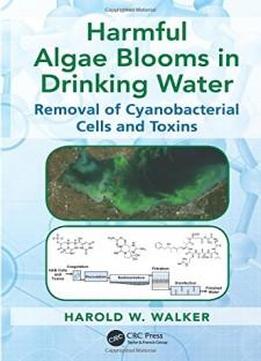
Harmful Algae Blooms In Drinking Water: Removal Of Cyanobacterial Cells And Toxins (advances In Water And Wastewater Transport And Treatment)
by Harold W. Walker /
2014 / English / PDF
14.4 MB Download
Harmful algal blooms (HABs) occurring in freshwater, and the
associated toxins they produce, are dangerous to animals and
humans. Mitigating the increasing presence of HABs presents a
major challenge to water managers and drinking water utilities
across the world. This book explores the current research on
removal of HABs and toxins from drinking water. It provides the
necessary tools so that treatment plant operators, engineers, and
water managers can understand the vulnerability of drinking water
treatment plants to HABs and develop treatment processes to
minimize the impact of these contaminants.
Harmful algal blooms (HABs) occurring in freshwater, and the
associated toxins they produce, are dangerous to animals and
humans. Mitigating the increasing presence of HABs presents a
major challenge to water managers and drinking water utilities
across the world. This book explores the current research on
removal of HABs and toxins from drinking water. It provides the
necessary tools so that treatment plant operators, engineers, and
water managers can understand the vulnerability of drinking water
treatment plants to HABs and develop treatment processes to
minimize the impact of these contaminants.
Although conventional treatment processes can be effective for
the removal of HAB cells and some HAB toxins under optimal
conditions, the potential exists for significant breakthrough of
toxins during normal operation. As a result, there is a
recognized need for more advanced techniques. Possible advanced
processes for removing HAB toxins include granular activated
carbon (GAC), powdered activated carbon (PAC), or oxidative
processes. This book reviews both conventional and advanced
treatment processes and presents clear and easy-to-understand
procedures for the design of systems for optimal cell or toxin
removal.
Although conventional treatment processes can be effective for
the removal of HAB cells and some HAB toxins under optimal
conditions, the potential exists for significant breakthrough of
toxins during normal operation. As a result, there is a
recognized need for more advanced techniques. Possible advanced
processes for removing HAB toxins include granular activated
carbon (GAC), powdered activated carbon (PAC), or oxidative
processes. This book reviews both conventional and advanced
treatment processes and presents clear and easy-to-understand
procedures for the design of systems for optimal cell or toxin
removal.